
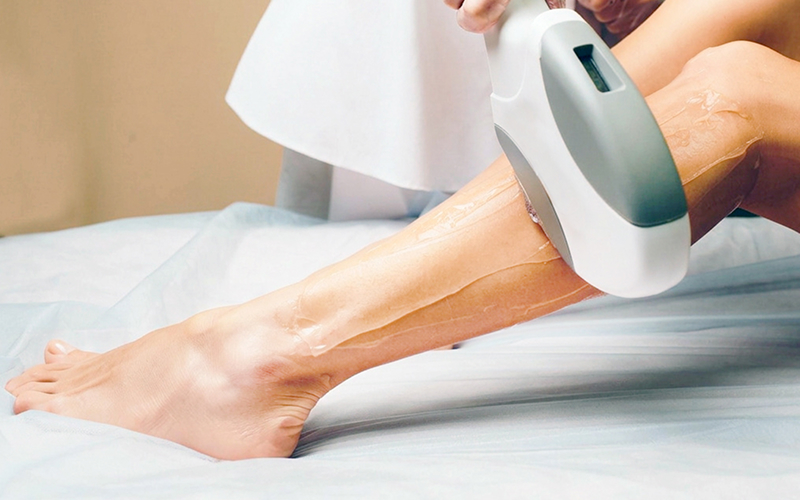
SHR, DPL, and 810nm diode light treatments can sound similar when you are comparing ways to reduce unwanted hair, but they deliver energy differently. How each session feels, how it is applied, and whether it suits you can vary according to your skin and hair characteristics.
Choosing between these hair removal methods involves more than selecting the technology with the most advanced-sounding name. At Glamour+, we consider your skin tone, hair colour, hair thickness, sensitivity, treatment area, and previous removal habits before recommending an approach.
When looking for hair removal options at any beauty salon in Singapore, look beyond just the name of the technology. Instead, ask the therapist how your specific skin and hair type will shape the machine’s settings and your overall treatment plan.
All three options generate heat around pigmented hair structures, but they deliver that energy differently.
SHR, or Super Hair Removal, generally uses repeated lower-energy pulses while the applicator moves continuously over your skin. Your therapist passes over the area several times so heat accumulates gradually.
This in-motion technique can support consistent coverage across larger areas such as the arms, legs, abdomen, and back. You may feel progressive warmth or tingling, depending on the settings, hair density, cooling, and your sensitivity.
Your therapist monitors your skin throughout the session because the aim is to build heat gradually and consistently without causing unnecessary discomfort. Stronger sensations do not necessarily indicate better results.
DPL, commonly called Dynamic Pulsed Light, uses selected ranges of broad-spectrum energy. Pigment within the hair absorbs the light, generating heat around the hair follicle.
DPL may be considered when finer hair still contains enough pigment to absorb light energy. Your therapist looks at its colour, thickness, density, and location before deciding whether this option may be suitable.
A focused application may involve treating a smaller area and adjusting the pulse delivery and energy to the hair present. However, DPL will not necessarily work well on every type of fine hair. Grey, white, very light blonde, or red hair may contain too little melanin to respond predictably.
Device specifications may also differ between providers. During your consultation, ask how the settings will be adapted to your skin, what cooling is used, and how many appointments may be required. These questions are more useful than the treatment name alone when comparing hair removal methods.
An 810nm diode light delivers a specific wavelength rather than a broad-spectrum light range. Melanin within the hair absorbs the energy, which generates heat around the targeted follicle.
This laser hair reduction method may be considered for darker, coarser hair with sufficient pigment. It can also cover larger body areas efficiently. Since the treatment relies on pigment absorption, lighter or finer hair may respond differently.
Glamour+’s 810nm Advanced Diode Light includes cooling during application and may be used on the face, underarms, arms, legs, bikini line, and back. As each area and skin type can respond differently, your skin tone, tanning history, hair characteristics, and treatment area still need assessment.
Two people treating the same body area may require different settings, intervals, or technologies.
Melanin is present in both your hair and skin. Darker or recently tanned skin may absorb more treatment energy, making suitable settings, cooling, and observation particularly important.
Tell your therapist about recent tanning, pigmentation changes, irritation, or increased sensitivity. Your skin condition may affect whether treatment proceeds or needs to be postponed.
To reduce unnecessary irritation before carrying out any light-based hair removal methods, the therapist first assesses your skin, chooses suitable settings, uses cooling where appropriate, monitors your reaction, and provides aftercare guidance. You should also report unexpected discomfort during the session.
Dark brown and black hair generally contain more melanin than blonde, grey, white, or red hair. Hair with less pigment may absorb less energy and respond differently.
Coarse underarm or bikini hair may also require a different approach from fine facial or arm hair. Your therapist should assess the hair within the treatment area rather than relying on your scalp hair colour.
As the remaining hair becomes finer or less dense, your therapist may adjust the energy, pulse delivery, appointment spacing, or treatment method. Follow-up skin and hair assessment helps the therapist adapt the treatment as your hair growth changes.
Larger areas may benefit from continuous coverage, while smaller or sensitive areas may require a slower application.
Facial hair can also be affected by hormonal factors, so it may respond differently from leg or underarm hair. Tell your therapist if the area feels excessively hot, sharply painful, or increasingly uncomfortable.
Hair grows through separate stages. Light-based and laser treatments generally work most effectively when hair is actively growing, but not every hair reaches this stage simultaneously.
Later appointments target other hairs as they become active. The schedule for these hair removal methods depends on the area, hair density, thickness, hormonal influences, previous removal habits, treatment progress, and your skin tolerance.
Maintenance appointments may be considered if some growth returns. The aim is usually long-term reduction rather than a guarantee that every hair will disappear permanently.
Waxing, threading, and plucking remove hair from the root, leaving less pigmented hair for the treatment to target. Shaving may be recommended instead, but follow the instructions provided before your appointment.
Tell your therapist about sun exposure, irritation, medications, photosensitivity, and strong skincare ingredients. Treatment should not proceed over broken, infected, sunburnt, or significantly inflamed skin.
If you are also planning eyebrow embroidery, mention your facial hair removal appointments in advance so your therapist can help avoid overlapping aftercare around nearby areas. For lower-body treatments, you should also disclose any recent ingrown nail treatment, broken skin, or irritation so the therapist can advise whether the area should be avoided or scheduled separately.
Temporary warmth or redness may occur afterwards. Follow the recommended hair removal aftercare, which may include avoiding hot showers, saunas, intense exercise, swimming, friction, and direct sun exposure temporarily.
SHR, DPL, and 810nm diode light differ in how they deliver energy. SHR builds heat through repeated passes, DPL uses controlled broad-spectrum light pulses, and the diode light delivers a defined wavelength.
The right choice among these hair removal methods depends on your skin tone, hair colour, thickness, sensitivity, treatment area, and response over time.
Book a consultation with Glamour+ Brow Lash Nail Studio to have your skin and hair assessed before beginning a suitable treatment plan.
 Glamour+